That lush, eye-catching plant in your garden might be more than just a decorative feature. Many homeowners are surprised to learn that certain beautiful plants can unintentionally attract snakes, turning a peaceful yard into a reptile-friendly habitat. While snakes play an important role in the ecosystem, most people prefer not to share their outdoor space with them. If you’re planning your landscaping carefully, it’s worth understanding which greenery could create hiding spots and food sources that make your yard especially inviting to slithering visitors.
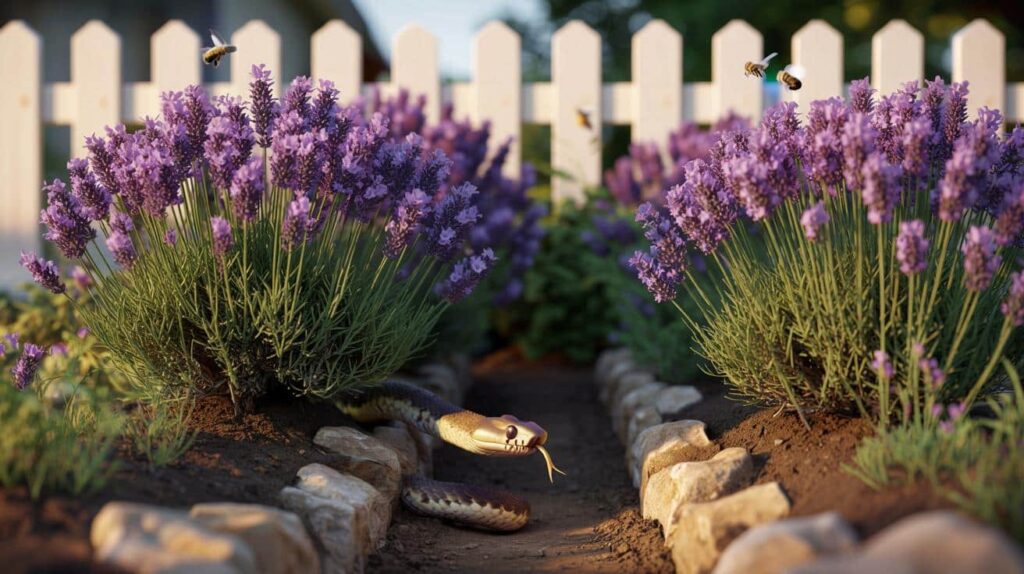
The Beautiful Garden Plant That Attracts Snakes
One of the most common culprits is dense ground cover and thick ornamental shrubs, especially plants like jasmine, ivy, and heavy-leafed hedges. These create ideal hiding spots where snakes can stay cool and protected. The shade and moisture beneath such plants form a cool shaded shelter, perfect during warm seasons. Overgrown vegetation also encourages rodents and insects, providing a steady food supply that draws snakes closer. When branches spread low and thick, they create dense ground cover that makes it easier for reptiles to move unseen. While these plants may look stunning, their structure and growth pattern can transform a simple garden into a comfortable snake retreat.
Why Snake-Attracting Plants Turn Yards Into Reptile Havens
Snakes are not attracted to plants themselves but to what plants provide. Thick greenery creates moist soil pockets and stable temperatures that reptiles love. When gardens aren’t regularly trimmed, they form a perfect nesting area for small animals, which in turn attract predators. Piles of fallen leaves beneath decorative plants offer natural camouflage zones, allowing snakes to hide from threats. Combined with nearby water features, such spaces become a low disturbance habitat that feels safe and undisturbed. The more layered and untouched a garden appears, the more it mimics a wild environment, making it incredibly appealing for snakes seeking protection and prey.
 7 Beautiful Herb Border Ideas Inspired by Walled Gardens – And All Easy to Recreate at Home
How to Landscape Without Attracting Snakes
You don’t have to sacrifice beauty for safety. Choosing plants with open spacing and keeping lawns trimmed reduces overgrown garden risks. Regular pruning eliminates hidden resting areas and improves visibility around the yard. Removing debris and sealing small gaps helps prevent rodent activity control, which is key to discouraging snakes. Installing gravel borders can create dry open spaces that reptiles typically avoid crossing. With thoughtful design and routine maintenance, you can enjoy vibrant greenery while keeping your outdoor area less inviting to unwanted slithering guests.
Final Thoughts on Snake-Attracting Plants
A thriving garden doesn’t have to double as a snake sanctuary. The key lies in understanding how certain landscaping choices influence wildlife behavior. By limiting thick undergrowth and managing moisture levels, you reduce the chances of creating wildlife friendly cover that appeals to reptiles. Balanced landscaping promotes safer outdoor spaces without eliminating biodiversity. Simple habits like trimming shrubs and clearing leaf litter make a big difference in preventive yard planning. Ultimately, awareness is your best defense against accidentally building a reptile welcoming yard while still enjoying a lush, beautiful garden.
| Plant Type | Snake Attraction Risk | Main Reason | Prevention Tip |
|---|---|---|---|
| Dense Ivy | High | Thick cover and shade | Trim frequently |
| Low Hedging | Medium to High | Hidden pathways | Maintain open spacing |
| Flower Beds | Medium | Moist soil | Improve drainage |
| Gravel Areas | Low | Exposed surface | Keep clear of debris |
| Raised Planters | Low | Limited hiding spots | Regular inspection |
Frequently Asked Questions (FAQs)
1. Do plants directly attract snakes?
No, snakes are attracted to shelter, moisture, and prey that certain plants provide.

2. Are all dense plants risky?
Not all, but thick and untrimmed vegetation increases the likelihood of snake presence.
3. Can removing rodents reduce snake visits?
Yes, limiting food sources significantly lowers the chances of attracting snakes.
4. Is gravel effective in keeping snakes away?
Gravel creates dry, open areas that many snakes prefer to avoid crossing.