Spraying vinegar on the front door is one of those “everyone’s doing it” household tips that keeps popping up online. People recommend it for everything from freshening up entryway smells to keeping tiny pests away, and some even treat it like a simple cleansing ritual for the home. But what does it actually do, and what is just hype? The truth sits somewhere in the middle: vinegar can be useful in very specific situations, but it also has limits and a few risks if you use it the wrong way. Here’s what it’s really for and how to do it sensibly.
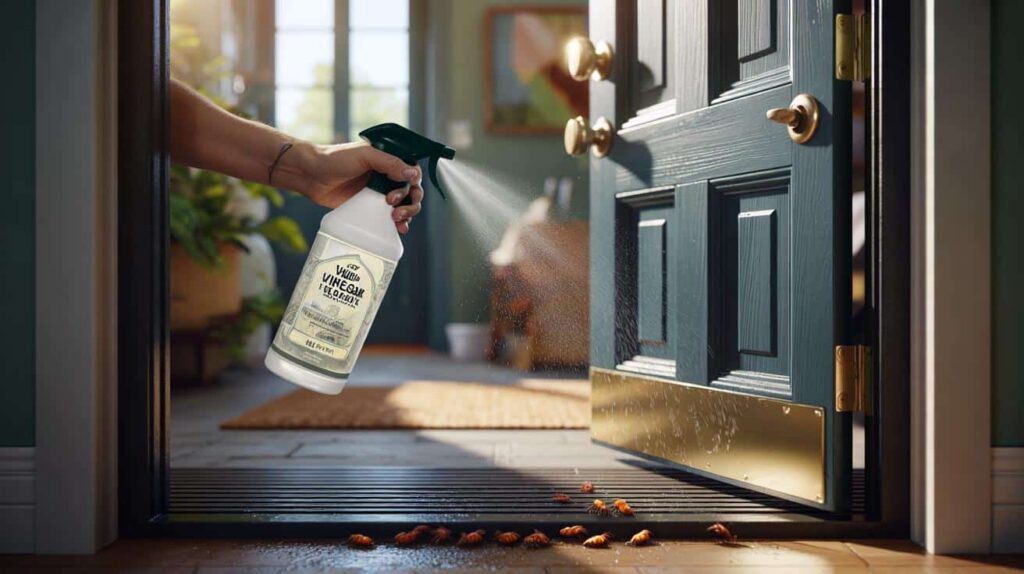
Spraying vinegar on the front door for odor control
One practical reason people use vinegar at the entrance is to deal with lingering smells around the doorway—think dampness, food odors, or that musty “closed-up” scent. White vinegar works because it can help neutralize certain odor-causing compounds rather than just masking them. For best results, lightly mist the area and wipe it down after a few minutes, especially around handles and edges where grime builds up. The key is odor neutralizing action, plus quick surface refresh when you don’t want harsh cleaners. Just remember that vinegar has its own sharp smell at first, but it usually fades. Use a patch test, especially on painted or varnished surfaces, and avoid over-saturating wood.
Why people spray vinegar at the entrance to deter pests
Another big reason behind the trend is pest control. Some people spray vinegar near the threshold because the acidic scent may discourage certain insects from traveling along that path, especially if combined with basic cleaning. It’s not a magic shield, but it can support a tidy barrier approach: remove crumbs, reduce moisture, and seal gaps. In that sense, vinegar acts as a mild pest deterrent and encourages threshold cleaning routine that makes entry points less inviting. If you’re dealing with a real infestation, though, vinegar won’t replace targeted treatment. Also be mindful of pets—strong smells can bother them—so keep sprays light and focus on the door frame and nearby floor rather than soaking the air.

Front door vinegar spray myths vs real benefits
A lot of recommendations are wrapped in “energy cleansing” language, which can make the practice sound mysterious. If you like rituals, that’s fine—but from a practical angle, the real benefits are mostly about cleaning. Vinegar can help loosen light residue and fingerprints, leaving the entrance looking clearer with less effort. Think of it as simple DIY cleaner with a low-cost habit that supports regular upkeep. What it won’t do is disinfect like a hospital-grade product or protect every material. Avoid vinegar on natural stone nearby, on waxed finishes, or on surfaces that are already peeling. If your door is metal, be careful with repeated use around scratches because acidity can encourage dulling over time.
What it’s really for and when to skip it
So, what is vinegar on the front door really for? It’s mainly a lightweight cleaning trick that can help with mild odors and may reduce some pest traffic when paired with better entryway hygiene. If you use it, keep it diluted, spray sparingly, and wipe dry to protect finishes. The smartest approach is to treat it as light maintenance tool, not a cure-all. Skip it if your door has delicate coatings, if there’s nearby stone you can’t avoid, or if you need serious disinfection after illness—use an appropriate cleaner for that. Used thoughtfully, vinegar can be helpful; used blindly, it can cause unnecessary wear.
| Goal | How Vinegar Helps | Best Practice |
|---|---|---|
| Remove fingerprints | Loosens light oils | Dilute and wipe dry |
| Reduce mild odors | Neutralizes some smells | Light mist, air out |
| Support pest prevention | Discourages some trails | Clean + seal gaps |
| Quick entryway refresh | Helps lift residue | Patch test first |
| When to avoid | Can harm some finishes | Skip stone/waxed/peeling |
Frequently Asked Questions (FAQs)
1. Can vinegar disinfect the front door fully?
It can reduce some germs, but it’s not a reliable high-level disinfectant for all situations.

2. Should vinegar be diluted before spraying?
Yes—diluting helps reduce surface risk while still providing cleaning benefits.
3. Will vinegar keep all insects away?
No, it may discourage some pests but won’t solve infestations on its own.
4. Is vinegar safe for every door material?
No—always patch test and avoid delicate finishes, waxed surfaces, and nearby stone.