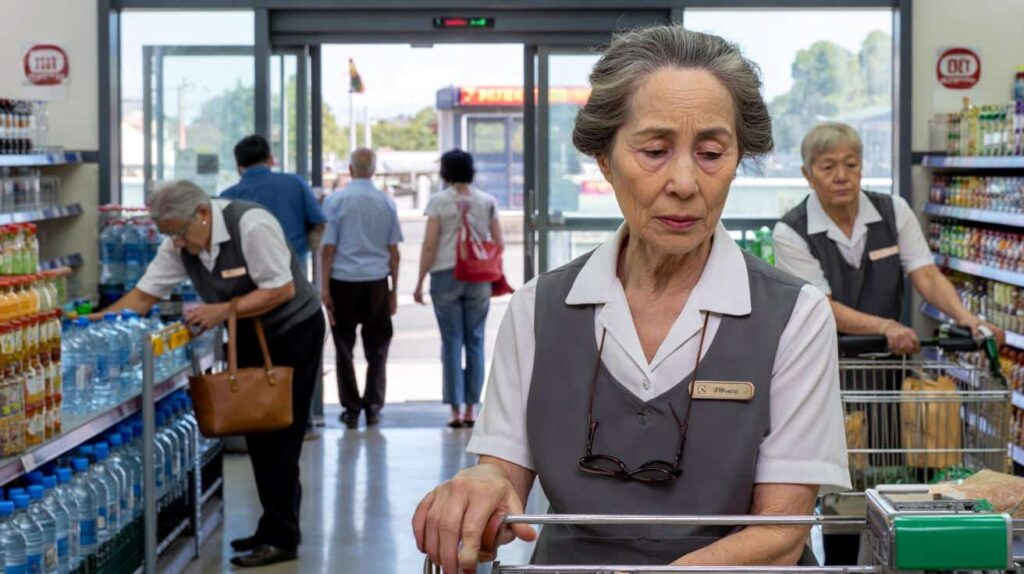
A growing lifestyle trend among seniors is reshaping what retirement looks like in today’s world. Instead of slowing down completely, many older adults—often called “cumulants”—are choosing to return to work after retirement just to make ends meet. Rising living costs, longer life expectancy, and evolving personal goals are all playing a role in this shift. What was once considered a time for rest and relaxation is now becoming a phase of reinvention, part-time employment, and financial recalibration for millions navigating their golden years.
Why More Cumulants Are Working After Retirement
The decision to rejoin the workforce isn’t always about passion—it’s often about necessity. With rising living costs and unpredictable markets, retirement savings may not stretch as far as expected. Many seniors face healthcare expense pressure, housing adjustments, and daily bills that continue to climb. For some, pensions and benefits offer only limited fixed income, making part-time or freelance work a practical solution. Others are coping with longer life expectancy, meaning their savings must last for decades. Working again provides a financial cushion, helping cumulants manage essentials without draining their nest egg too quickly.
The Lifestyle Shift Behind the Post-Retirement Work Trend
Beyond financial needs, a noticeable lifestyle change is influencing this trend. Retirement today often includes active aging mindset, where seniors prioritize engagement and productivity. Many seek purposeful daily routine rather than complete withdrawal from professional life. Flexible schedules and remote work options make it easier than ever to stay involved without full-time pressure. Some even view this phase as a second career chapter, exploring passions they previously postponed. The combination of financial practicality and emotional fulfillment is redefining retirement as a dynamic, evolving stage of life.

Financial Realities Driving Cumulants Back to Jobs
Economic factors remain at the heart of this movement. Inflation can quietly erode savings, creating shrinking retirement funds that struggle to keep up with daily needs. Many retirees did not anticipate market volatility impact affecting their investments. Others provide family financial support, assisting children or grandchildren, which adds extra responsibility. Additionally, unexpected events can create emergency cash gaps that require immediate income. Returning to work—often part-time—offers stability, helping seniors regain control over their budgets while maintaining independence and dignity.
Redefining Retirement in Modern Times
The image of retirement is evolving rapidly. Instead of a permanent exit from the workforce, many now see it as a flexible transition. A blended retirement lifestyle allows seniors to balance leisure with income generation. This shift highlights the importance of financial resilience planning earlier in life, ensuring greater security later on. At the same time, society is recognizing the value of experienced workforce contribution from older adults. Ultimately, this growing trend reflects changing priorities, economic realities, and a desire for continued engagement well beyond traditional retirement age.
| Factor | Impact on Seniors | Common Response | Long-Term Effect |
|---|---|---|---|
| Inflation | Reduced purchasing power | Part-time employment | Extended savings lifespan |
| Healthcare Costs | Higher medical spending | Supplemental income | Improved financial stability |
| Market Fluctuations | Investment uncertainty | Flexible work options | Risk diversification |
| Family Obligations | Added expenses | Freelance or consulting | Income diversification |
| Longevity | Longer retirement period | Gradual retirement model | Sustainable income flow |
Frequently Asked Questions (FAQs)
1. Why are more seniors working after retirement?
Many seniors return to work due to rising expenses, longer lifespans, and the need for additional financial security.
2. What types of jobs do cumulants usually take?
They often choose part-time, consulting, freelance, or remote roles that offer flexibility and reduced stress.
3. Is working after retirement becoming common?
Yes, it is increasingly common as economic pressures and lifestyle preferences continue to evolve.
4. Does post-retirement work affect benefits?
In some cases income may influence benefits, so individuals should review the specific terms of their plans.