As temperatures drop and winter sets in, wildlife faces silent challenges in our backyards. Birds struggle to find water, and hedgehogs search desperately for safe, warm spaces. Surprisingly, something as simple as placing tennis balls in your garden can make a real difference. This small, affordable idea is gaining attention among wildlife lovers because it offers protection, warmth, and safety during harsh weather. With just a little awareness and effort, your outdoor space can become a refuge that supports fragile creatures when they need help the most.
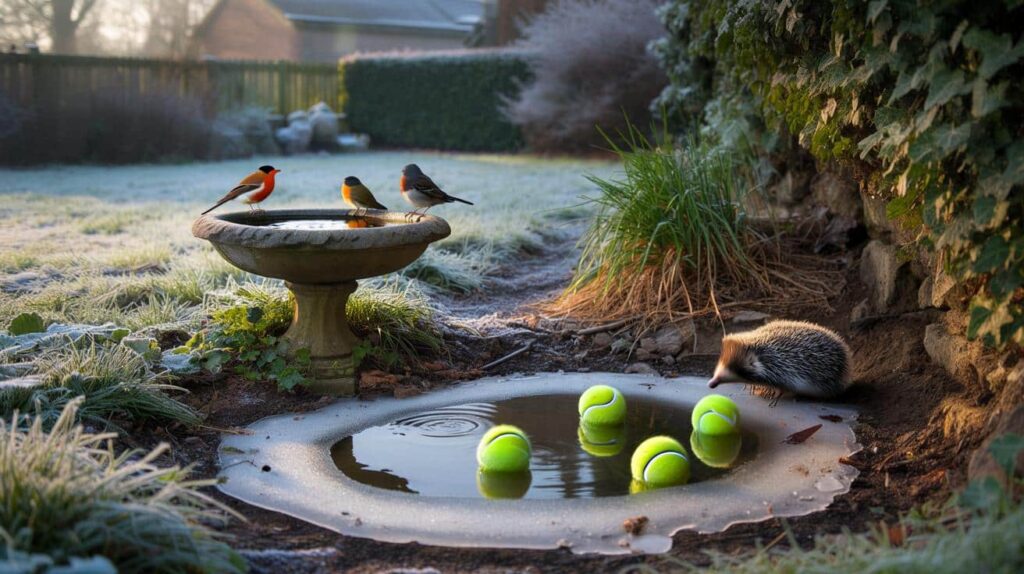
Tennis Balls in Your Garden to Protect Wildlife
Leaving tennis balls around your yard may sound unusual, but they can serve as simple tools for wildlife winter safety. When placed in garden ponds, they help prevent water surfaces from freezing completely, ensuring birds and small animals still have access to drinking water. The soft texture also acts as a floating ice breaker, gently moving with the wind and reducing solid ice formation. For hedgehogs, tennis balls positioned near shelter areas can act as subtle markers, guiding them toward a safe nesting corner. This easy step supports natural habitat protection without disrupting the environment. Small actions like these turn an ordinary yard into a more welcoming space for vulnerable wildlife.
How Garden Tennis Balls Help Birds and Hedgehogs Survive
Winter survival is tough for tiny creatures, especially when food and water become scarce. Adding tennis balls to your outdoor setup contributes to garden wildlife care by maintaining small but essential resources. In ponds or birdbaths, the movement reduces ice pressure and supports water access support during freezing nights. Hedgehogs, which rely on insulated spots, benefit when tennis balls are used near leaf piles or shelters as part of a simple garden solution to identify protected areas. This method encourages eco friendly gardening without chemicals or expensive equipment. It’s proof that thoughtful placement of everyday items can quietly improve survival chances for delicate species.

Why a Small Garden Gesture Makes a Big Winter Difference
Wildlife often depends on human kindness during extreme seasons. By using tennis balls creatively, you contribute to winter wildlife support in a way that is both practical and sustainable. These soft spheres can reduce ice buildup and signal protected zones, helping create a bird friendly garden and safer pathways for nocturnal visitors. The idea fits perfectly into sustainable garden habits because it reuses items rather than adding waste. Over time, consistent care fosters backyard biodiversity boost, encouraging more species to seek shelter in your space. What feels like a minor effort can ripple outward, strengthening the fragile balance of your local ecosystem.
Small Effort, Lasting Impact on Backyard Wildlife
Simple changes often carry the greatest impact. Placing tennis balls in key spots combines creativity with compassion, helping maintain water availability and visible shelter points. This thoughtful act promotes seasonal animal protection while encouraging people to rethink how everyday objects can serve nature. It also inspires a stronger sense of community driven conservation, where small household actions add up. By embracing low cost wildlife help, anyone can participate in protecting birds and hedgehogs without special skills. Ultimately, such gestures nurture a deeper connection with the environment and support everyday environmental awareness that lasts far beyond winter.
| Purpose | How Tennis Balls Help | Wildlife Benefited |
|---|---|---|
| Prevent Ice Formation | Float and reduce full surface freezing | Birds |
| Maintain Water Access | Keep small openings in ponds | Birds & Small Mammals |
| Mark Shelter Zones | Highlight protected nesting spots | Hedgehogs |
| Eco-Friendly Support | Reuse old household items | All Garden Wildlife |
Frequently Asked Questions (FAQs)
1. Do tennis balls really stop ponds from freezing?
They help reduce full surface freezing by moving with the wind and limiting solid ice formation.

2. Are tennis balls safe for wildlife?
Yes, when clean and placed properly, they are non-toxic and harmless to birds and hedgehogs.
3. Where should I place tennis balls in the garden?
Place them in ponds, birdbaths, or near sheltered nesting areas for best results.
4. Can this method replace proper wildlife shelters?
No, it works best as a supportive addition to existing natural shelters and feeding practices.