Drying laundry can feel like a never-ending chore, especially when heavy items keep everything damp longer than expected. A simple trick many people overlook is tossing a dry towel into the dryer with your wet clothes. The towel acts like a moisture magnet at the start of the cycle, helping absorb extra water and allowing warm air to circulate more effectively. When used the right way, this method can shorten drying time, reduce energy use, and leave clothes feeling more evenly dried—without changing your routine or buying any extra gadgets.
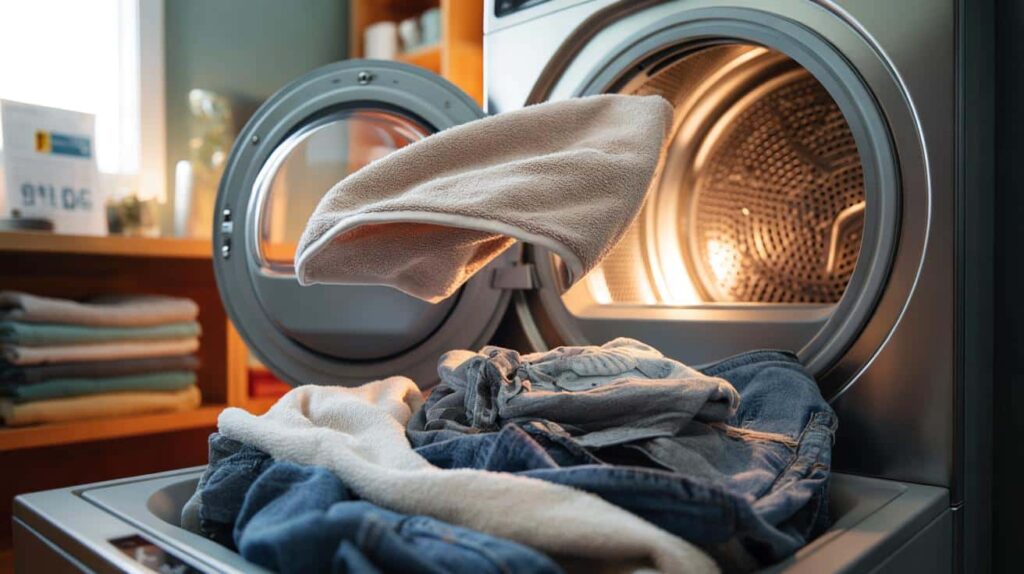
Dry towel in dryer trick for faster loads
When you add a dry towel to a wet load, it can help speed up the early part of the cycle by soaking up surface moisture quickly. That means the dryer spends less time fighting that initial “super-wet” phase, so your load can reach the fluffy, dry stage sooner. For best results, use one clean, fully dry towel and remove it after about 10–15 minutes so it doesn’t start re-releasing moisture. This approach often works best with everyday fabrics like cotton tees and socks. Focus on early moisture boost, faster heat circulation, shorter drying window, and less damp clumping for noticeable improvement.
Save energy with towel-assisted drying
Cutting cycle time isn’t just convenient—it can also reduce electricity use. A shorter run means the heating element (or heat pump system) works less, and the drum spends fewer minutes tumbling. To make the most of it, avoid overloading the dryer, because packed clothes block airflow and cancel out the benefit. Pair the towel method with smart habits like cleaning the lint filter every load and using the right dryness setting instead of “extra dry.” If you’re drying mixed fabrics, separate heavy pieces so they don’t hold the whole load hostage. Practical wins come from lower power draw, reduced tumble minutes, better airflow control, and smarter settings choice.

Best way to use a dry towel in the dryer
Not every load needs this trick, and using it incorrectly can backfire. Choose a towel that’s not overly thick, since a bulky towel may stay inside too long and add weight without helping later in the cycle. For small loads, skip it—there isn’t enough moisture to justify the extra item. For larger loads, one towel is usually enough; adding multiple towels can crowd the drum. Also, avoid using a towel with loose lint when drying dark or synthetic clothes. The most reliable routine is one towel only, remove after 15, avoid thick terry, and don’t overload drum.
Summary or Analysis
The dry towel method works because it targets the most wasteful part of drying: the first stretch where clothes are dripping and air struggles to do its job. By absorbing extra moisture early, the towel helps the dryer shift into efficient evaporation sooner, which can translate into quicker, more consistent drying. Still, it’s not a magic hack—airflow, load size, fabric type, and maintenance matter just as much. Think of the towel as a simple enhancer to good drying habits, not a replacement for them. When combined with proper load spacing, clean lint screen, fabric-sorted loads, and timed towel removal, it can become a small change with real payoff.
| Load Type | Use Dry Towel? | How Long to Keep Towel | Expected Benefit |
|---|---|---|---|
| Medium cotton load | Yes | 10–15 minutes | Faster overall drying |
| Heavy towels/jeans mix | Sometimes | 15 minutes | Helps early moisture |
| Small light load | No | Not needed | Minimal difference |
| Synthetics/delicates | Use caution | 10 minutes | Avoid lint transfer |
| Overpacked dryer | No | Not recommended | Airflow becomes poor |
Frequently Asked Questions (FAQs)
1. Does a dry towel really reduce drying time?
Yes, it can shorten the early drying phase by absorbing moisture quickly.

2. When should I remove the towel?
Remove it after about 10–15 minutes so it doesn’t add moisture back.
3. Can I use more than one towel?
Usually no—one towel is enough and extra towels may restrict airflow.
4. Is this safe for all fabrics?
It’s generally safe, but be careful with delicates or lint-attracting materials.