Most people rush out the door thinking about keys, phone, and errands, but a tiny setup in the sink can make your whole day smoother. Leaving a glass and a sheet of paper there looks odd at first, yet it’s a simple reminder system that protects your drains, reduces smells, and even helps you spot problems before they turn into mess. This habit is also about mindset: you’re setting a small “return path” for your future self, so when you come back home, things feel calmer, cleaner, and easier to reset.
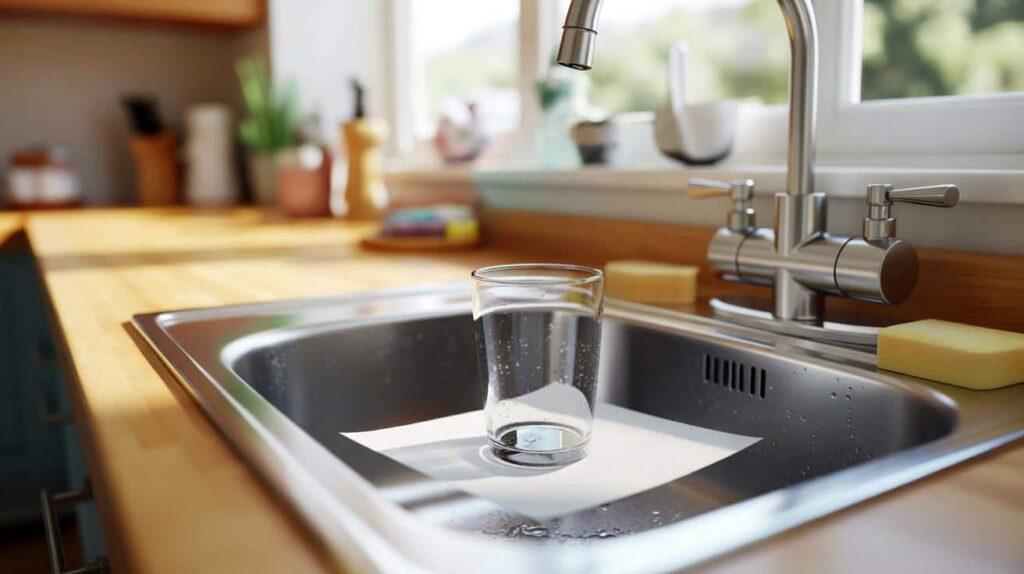
Glass and paper in sink habit
Placing a glass upside down and a paper sheet in the sink creates drain odor control by slowing air movement from the pipes into your kitchen. The paper can act as a quick splash barrier, catching tiny droplets and crumbs you might miss when you’re in a hurry. It also encourages quick visual check before you leave: if the sink is already cluttered, you’ll notice. The glass works like a small signal for return-home reset, making it easier to rinse, wipe, and move on when you’re back instead of letting dishes stack up. Small cues like this can change routines more than big promises.
Why this sink routine works
This routine is surprisingly effective because it combines prevention and convenience. The glass can reduce evaporation and keep lingering smells from spreading, adding a layer of smell-blocking cue to your space. The paper becomes crumb catch sheet, so random bits don’t wash down and stick inside the pipes. If you have pets or insects around, it can also serve as a pest curiosity deterrent by covering tempting scraps. Over time, the habit builds micro-cleaning momentum, where you do small maintenance steps without thinking, and that’s what keeps kitchens feeling “handled” rather than constantly behind.

Smart leaving-home kitchen checklist
If you want to make the habit even better, pair it with a tiny checklist: empty the strainer, run water for a few seconds, then set the glass and paper. That sequence becomes pre-exit anchor—a reliable final step that tells your brain you’re done. Choose a paper that won’t disintegrate instantly, like a small towel piece, for better soak resistance. Use a clean glass so it feels intentional, not messy, and treat it like a habit trigger object. When you return, removing them becomes a quick ritual, and the sink feels ready for use instead of demanding attention.
Summary or Analysis
At its core, this isn’t about a magic trick—it’s about designing your environment to reduce friction. The sink is a daily hotspot, so even a tiny system there can create routine-friendly structure that prevents buildup. The glass and paper act like gentle reminders that encourage small actions before problems grow, supporting low-effort cleanliness without perfectionism. Over weeks, these cues help you avoid unpleasant surprises, build consistency, and keep your kitchen easier to manage. If you like practical habits, this one is worth trying for a few days and adjusting until it fits your lifestyle.
| Setup Option | What You Place | Main Benefit | Best For |
|---|---|---|---|
| Basic | Glass + paper | Reduces odors and catches crumbs | Daily quick exits |
| With Strainer | Strainer + glass | Blocks food bits from drains | Homes that cook often |
| Paper Towel Upgrade | Paper towel piece | Better absorption and coverage | Messy prep areas |
| Odor Boost | Glass + dry sink | Less moisture, fewer smells | Humid kitchens |
| Return Reset | Glass + note paper | Reminder to clean on return | Busy schedules |
Frequently Asked Questions (FAQs)
1. Does the glass really stop bad smells?
It can help by limiting airflow and slowing odor movement from the drain into the room.

2. What kind of paper should I use?
Use a small paper towel or thicker sheet that won’t break apart quickly when damp.
3. Is this safe for all sinks?
Yes, as long as the glass is stable and you remove everything before running heavy water.
4. How long should I keep it in the sink?
Just while you’re out—remove it when you return and do a quick rinse or wipe.