Herb borders have long been a defining feature of traditional walled gardens, offering structure, fragrance, and year-round interest. Today, gardeners everywhere are rediscovering how beautiful and practical these layouts can be. The best part? You don’t need acres of land or centuries-old brick walls to achieve the look. With thoughtful planting and simple design tricks, you can recreate the charm of historic spaces in your own yard. These seven beautiful herb border ideas blend timeless style with easy-care planting, making them perfect for both beginners and seasoned growers.
Classic Herb Border Ideas Inspired by Walled Gardens
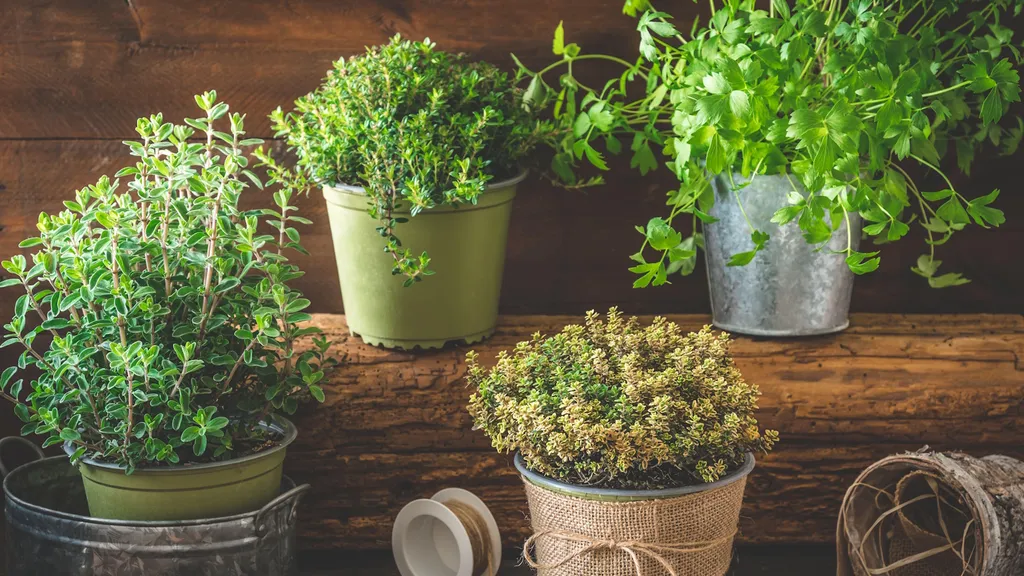
A classic herb border is all about symmetry and structure. Think neat rows of lavender, thyme, and rosemary lining pathways to create a formal garden layout that feels elegant yet welcoming. Low-growing herbs work beautifully for defined garden edges, especially when paired with gravel or brick paths. Add taller plants like fennel at the back for layered planting depth and visual interest. The key is repetition—grouping herbs in clusters creates symmetrical planting patterns that echo traditional walled designs. This approach not only looks polished but also makes harvesting simple and accessible.
Modern Herb Border Designs for Small Spaces
If space is limited, you can still enjoy stunning herb borders by focusing on smart placement. Raised beds or narrow strips along fences create a compact herb border without overwhelming your garden. Mixing textures—such as sage beside chives—adds contrasting leaf textures that instantly catch the eye. Consider adding stepping stones for easy garden access while keeping plants undisturbed. For extra charm, tuck in edible flowers to achieve a decorative edible garden effect that feels lush and inviting even in tight areas.

Low-Maintenance Herb Border Layouts Anyone Can Recreate
One of the biggest advantages of herb borders is how simple they are to maintain. Many herbs thrive in drought tolerant planting conditions, meaning less watering and fuss. Choose perennial varieties for year round greenery that keeps your border attractive through changing seasons. A mix of culinary and aromatic herbs delivers fragrant garden pathways that delight every time you walk by. By planning a practical kitchen garden style border, you’ll enjoy beauty and fresh flavors with minimal effort.
Bringing Timeless Herb Borders Into Everyday Gardens
Recreating herb borders inspired by walled gardens is less about strict rules and more about thoughtful combinations. Focus on balance, texture, and accessibility to achieve a look that feels both historic and personal. Even a modest strip of soil can transform into a charming feature with the right mix of structure and softness. By embracing traditional garden charm, adding simple planting schemes, and prioritizing low effort upkeep, you can design a border that’s as functional as it is beautiful. The result is a space filled with scent, flavor, and timeless appeal.
| Herb Type | Best Placement | Maintenance Level | Main Benefit |
|---|---|---|---|
| Lavender | Front border edge | Low | Fragrance & color |
| Rosemary | Mid to back row | Low | Evergreen structure |
| Thyme | Pathway lining | Very Low | Ground cover |
| Sage | Mixed clusters | Low | Texture contrast |
| Chives | Grouped accents | Low | Edible flowers |
Frequently Asked Questions (FAQs)
1. What herbs are best for a beginner-friendly border?
Easy-care herbs like thyme, rosemary, sage, and chives are ideal for beginners.

2. How much sunlight do herb borders need?
Most herbs thrive in full sun with at least six hours of direct light daily.
3. Can herb borders work in small gardens?
Yes, compact layouts and raised beds make herb borders perfect for limited spaces.
4. How often should herb borders be watered?
Water deeply but infrequently, allowing the soil to dry slightly between watering.